
Placeholder text — this article is a sample while the final copy is being written.
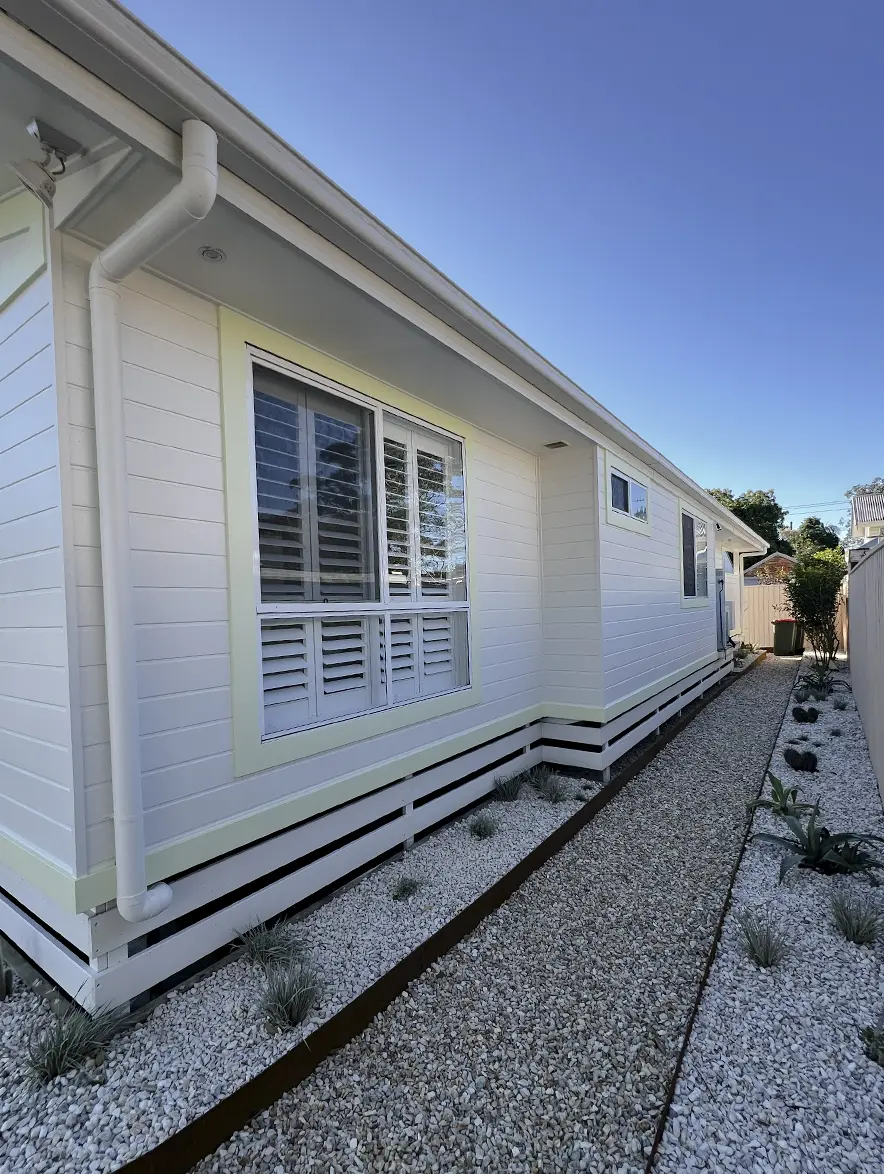
Exterior paint doesn't just need to go on — it needs to cure. Those are two different things, and the gap between them is where most premature failures start. A coat can feel dry to the touch in an hour and still be weeks away from reaching its full hardness.
What humidity actually does to a finish
When moisture sits in the timber, render or brick underneath, the coating can't bond the way it's designed to. You get adhesion problems that don't show up for a season or two, then appear all at once as flaking along the sun-facing walls.
On the Northern Rivers coast this matters more than it does inland. Salt air, high humidity and long wet stretches mean a substrate can read as dry on the surface while still holding moisture a few millimetres in.
The window worth waiting for
A run of dry days does three useful things at once:
- Lets the substrate dry out properly before any prep work starts
- Gives each coat the conditions it needs to cure, not just dry
- Makes the schedule predictable, so the job doesn't stretch out over weeks
What we do differently in a dry stretch
We use it to do the parts that get rushed otherwise — washing down, sanding back the failed areas, filling and priming. The prep is what determines how long the finish lasts; the topcoat is the easy part.
If you've been putting off an exterior repaint, a dry forecast is the cue to book it in rather than wait for "sometime next year". The window doesn't stay open long around here.