
If your home was painted before 1970, there is a real chance lead paint is somewhere in the layers, often buried under decades of newer coats. That is not a reason to panic. It is a reason to find out before anyone picks up a sander.
The dates that matter
Australia reduced the lead allowed in domestic paint in stages, so the age of the paintwork is the strongest clue you have:
- Before the 1950s, paint could contain up to 50 per cent lead
- From 1965 the limit dropped to 1 per cent
- In 1992 it dropped again to 0.25 per cent
- Since December 1997 the limit has been 0.1 per cent
Paint applied before 1970 carries the highest risk. In the Northern Rivers that covers a lot of the original weatherboard cottages and older Queenslanders.
Where it tends to be
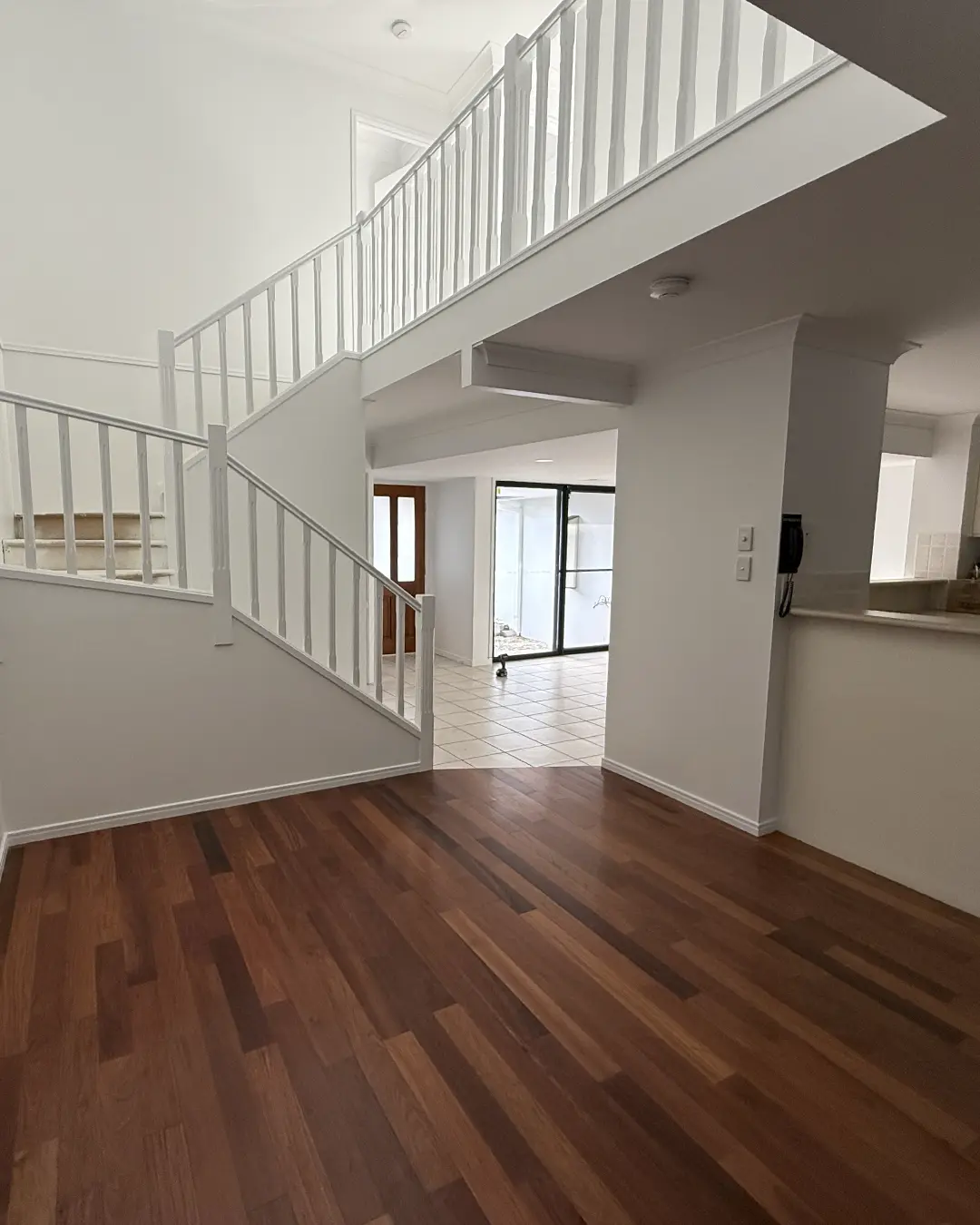
Lead was used as the main white pigment, so it turns up on the parts of a house that were painted first and knocked around most: window frames and sashes, door jambs, skirting boards, architraves, balustrades and stair treads, kitchen and bathroom cupboards, eaves, fascias, gutters and metalwork.
The pattern is friction and impact. Anywhere a surface gets rubbed, chipped or chewed is where the paint ends up as dust.
Why intact paint is not the problem
Lead paint that is sound and sealed under later coats is generally low risk while it stays that way. The risk comes from disturbing it. Dry sanding, dry scraping, abrasive blasting and burning all turn those layers into particles small enough to inhale, which then settle into carpet, roof cavities, soil and garden beds.
The question is almost never whether lead is present. It is whether anything is about to disturb it.
How to actually check
There are three levels of certainty, and they cost accordingly:
- Hardware-store field kits change colour on contact with lead. They are cheap
and quick, but they read the surface, not what is underneath, and they can miss lead sitting below newer coats.
- Portable XRF testing is non-destructive and gives an immediate reading, but
it needs a trained operator.
- Laboratory analysis of a paint sample that includes every layer is the
definitive answer.
Any painter quoting on a pre-1970 home should raise this with you before the job starts, not after.
If it is there
It changes the method. Wet methods, containment and careful waste handling replace the usual prep, and in plenty of cases sealing the paint in place is a better call than stripping it. The Australian Government publishes a free guide called Lead Alert: The six step guide to painting your home, which is worth reading before you make any decisions.
The one thing worth ruling out is a weekend of DIY sanding on an old weatherboard. That is the scenario that causes real harm, and it is entirely avoidable.